
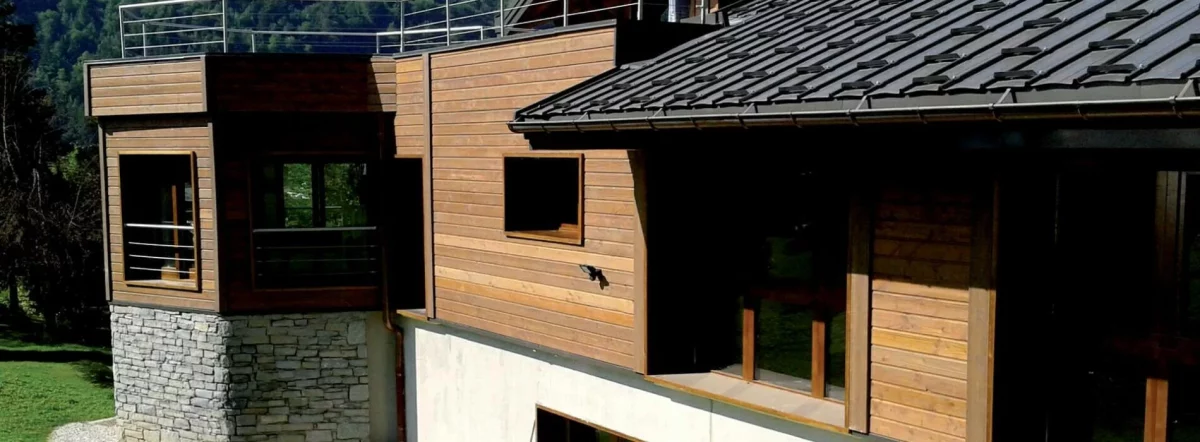
A passive house is a building that combines year-round comfort with energy efficiency. It features specific technical characteristics and significantly higher energy performance than low-energy homes. If you’re interested in building a passive house, learn about the applicable standards and the requirements you need to meet.
Understanding the concept of a passive house
Today, passive houses are attracting increasing interest from investors because it is clear that they will become the standard in the coming years, just as low-energy homes currently are in France.
A passive house is characterized by a constant indoor temperature, regardless of the season. Residents enjoy a comfortable living environment during the summer, as well as in the winter. The installed systems make it possible to harness the building’s natural environment to supply it with energy, thereby minimizing heating costs. The concept of the passive house originated in Germany and derives from the term “Passivhaus.” It arrived in France around 2005, thanks to initiatives stemming from the Grenelle Environment Forum.
The concept of a passive house, or a house without heating, is based on a set of principles designed to ensure optimal thermal comfort while minimizing energy consumption. The Passive House is built on these five key principles to offer a comprehensive bioclimatic design solution. It achieves high performance in terms of insulation, ventilation, and hygrothermal comfort:
- Bioclimatic Design
- High-Performance Insulation
- Controlled Ventilation
- Optimal Hygrothermal Comfort (Comfort in Both Summer and Winter)
- Low and Controlled Energy Consumption
What are the technical characteristics of a passive house?
Passive houses are characterized by high-performance thermal insulation that effectively reduces heat loss. The insulation materials are thicker than those used in standard homes or low-energy buildings. Thermal and acoustic comfort is also improved, thanks to enhanced insulation and a more efficient ventilation system. Air tightness, ventilation, and air quality are also optimized through the use of high-performance building materials.
A passive house is a practical, comfortable, high-performance, self-sufficient building, and so on. It is also energy-efficient. It is easier to heat because it uses a renewable energy source and does not require additional energy for heat production.
Passive heating is an ideal solution for reducing fossil fuel consumption and greenhouse gas emissions. Building a passive home therefore represents a significant step toward energy efficiency in construction.
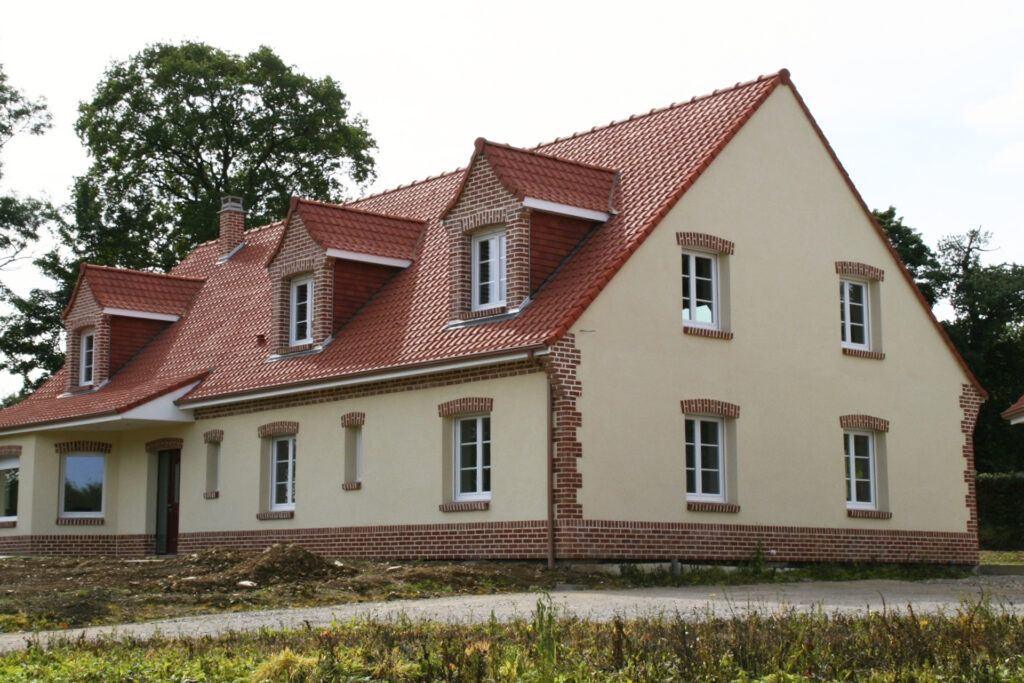
Passive house: Which heating system?
A passive house must be equipped with a heating system that delivers excellent energy efficiency through the use of renewable energy. Solar water heaters, heat pumps, and similar systems should be prioritized. The building itself minimizes its heating requirements thanks to its high-performance thermal insulation.
Materials
The materials used for doors and windows must possess excellent insulating properties. It is recommended to install triple glazing, roller shutters, and blinds to protect against intense heat in summer and cold in winter.
Utilize energy-efficient electrical equipment and household appliances. Consult energy labels to ensure a sound investment. Opt for low-consumption light bulbs, prioritizing LEDs. Verify the energy consumption of ovens, refrigerators, and various kitchen appliances you intend to use. To assist you in making the right choice, do not hesitate to contact an EUROMAC2 advisor.
Towards More Responsible and Efficient Real Estate
A passive house is sure to meet any regulatory changes in the years to come. You’ll enjoy significant long-term savings thanks to virtually no energy bills. Your energy consumption’s environmental footprint is significantly reduced. When you undertake renovations that comply with current standards, you can more easily qualify for financial assistance (zero-interest loans, reduced VAT rates, financial aid from local authorities, “MaPrimeRenov,” etc.) provided by the government to encourage this type of project.
Discover Our Achievements Without Further Delay